

Stick Guide
Choosing the right hockey stick can make a real difference in your game. This guide walks you through everything you need to know — from sizing to flex — so you can order with confidence.
Step 1: Choose Your Size
Hockey sticks come in three main sizes based on player age, height, and weight. Here's a quick breakdown:
| Size | Typical Age | Player Height | Shaft Length (uncut) |
|---|---|---|---|
| Junior (JR) | 5–12 years | Under 5'2" | 49-58" |
| Intermediate (INT) | 11–14 years | 5'2" – 5'7" | 60" |
| Senior (SR) | 14+ years | 5'7" and up | 66" |
| Senior Extended (EXT) | Adult (tall players) | 6'2" and up | 71" |
Tip: When standing in skates, the stick should reach between your chin and nose when held on its toe.
Step 2: Choose Your Flex
Flex refers to how much the shaft bends when you shoot. A lower number means a softer, more flexible stick — a higher number means a stiffer shaft. The right flex depends on your size, strength, and shooting style.
No Name Hockey Flex Options
| Flex | Size | Best For |
|---|---|---|
| 22 / 32 Flex | Junior | Young players, lighter builds |
| 42 Flex | Junior | Stronger junior players |
| 52 Flex | Junior / Intermediate | Smaller teens, lighter adults |
| 57 Flex | Intermediate | Average-sized teens |
| 67 Flex | Int / Senior | Lighter adult players |
| 77 Flex | Int / Senior | Average adult players |
| 87 Flex | Senior | Stronger adult players |
| 95 / 102 /112 Flex | Senior | Power players, heavy shooters |
General Flex Rule of Thumb
A common starting point: choose a flex that's roughly half your body weight in pounds. For example, a 160 lb player might start with an 80 flex. From there, adjust based on your shooting style — snapshots and wrist shots benefit from a softer flex, while slap shots often suit a stiffer stick.
Note: Cutting the shaft increases stiffness. If you plan to cut your stick, consider going one flex softer than you normally would.
Step 3: Choose Your Curve
The blade curve affects puck control, shooting accuracy, and passing. We offer curves in all four sizes (JR, INT, SR, EXT) across 22 different patterns.
Visit our Find Your Curve page → to explore all curve options and find the right fit for your position and play style.
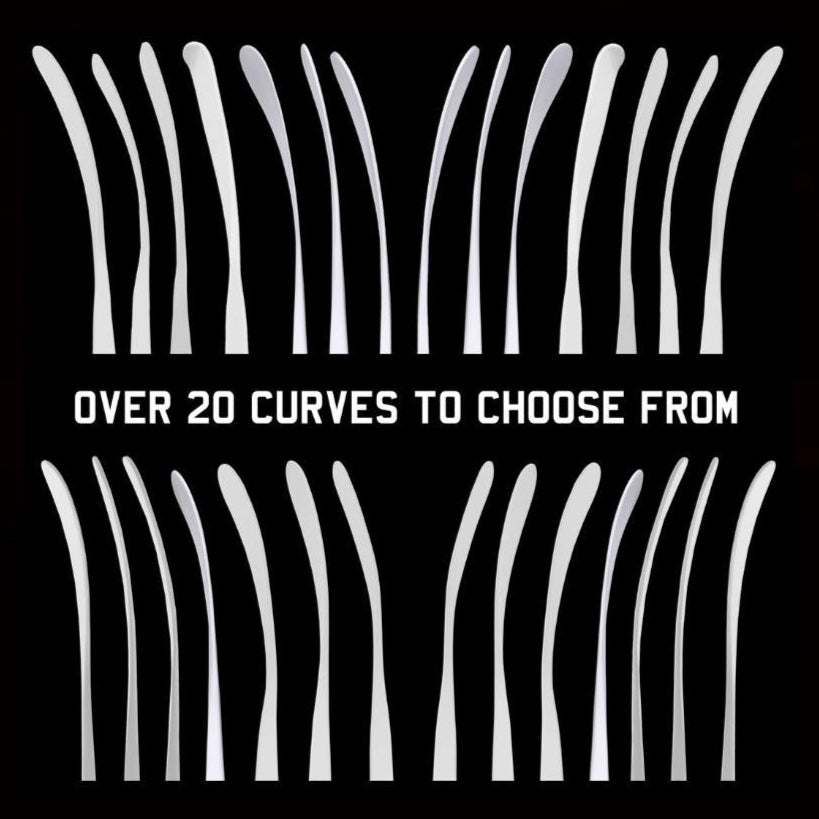
CURVES
Consider your playing style and position. Different curves are better suited to certain styles of play.
If you're a forward who takes a lot of wrist shots and likes quick release, you might prefer a curve with a more open face and a mid-to-toe curve.
If you're a defenseman who takes slapshots and wants accuracy in passing, you might lean toward a curve with a closed face and a mid-to-heel curve.
For all-around play, a moderate curve can be a good compromise.
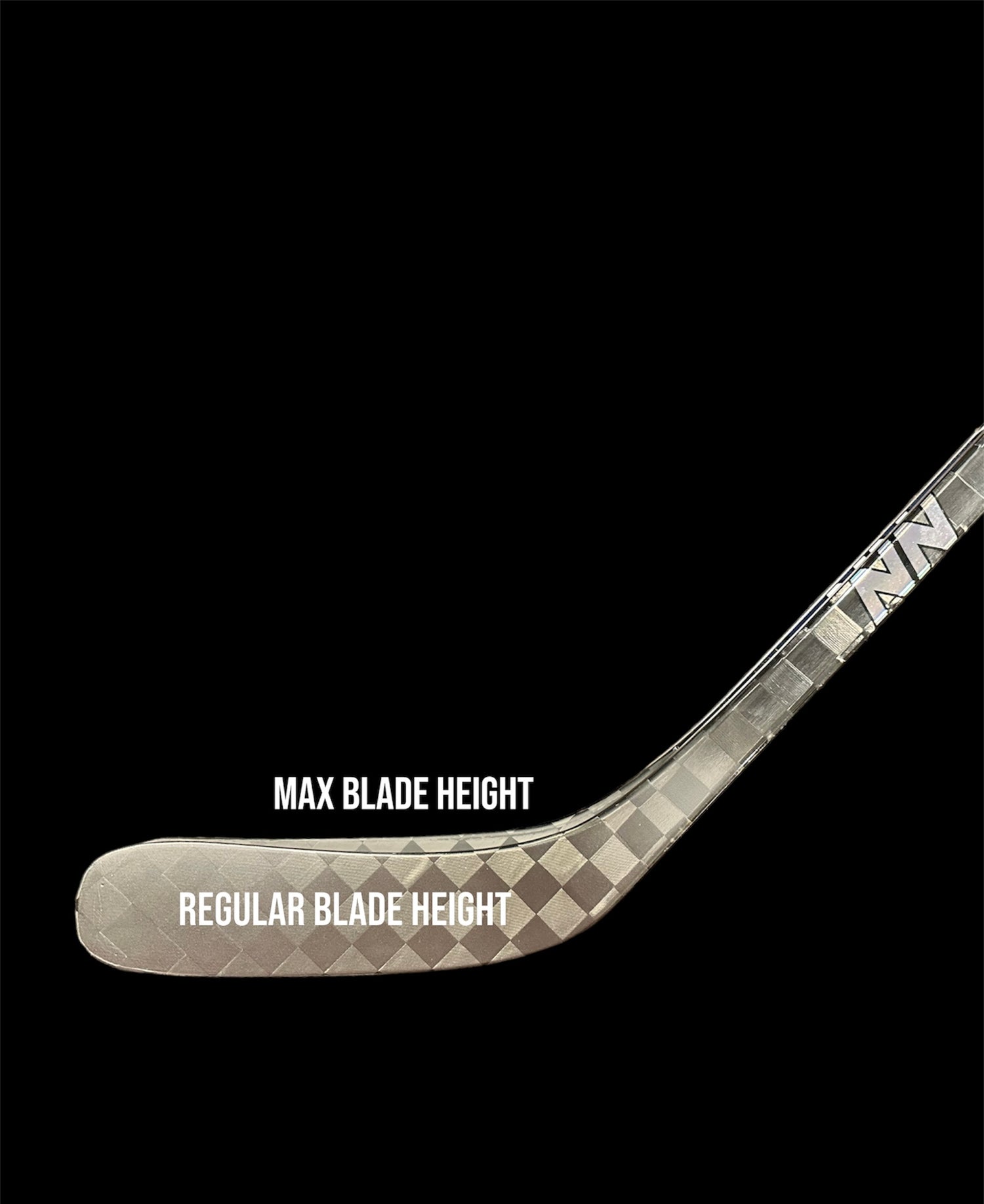
MAX BLADE CURVE
A “max blade” hockey stick typically refers to a type of hockey stick blade with a larger blade surface area. This design can provide players with more control and accuracy when handling and shooting the puck. The term “max blade” it implies an emphasis on maximizing the blade’s size for enhanced performance.
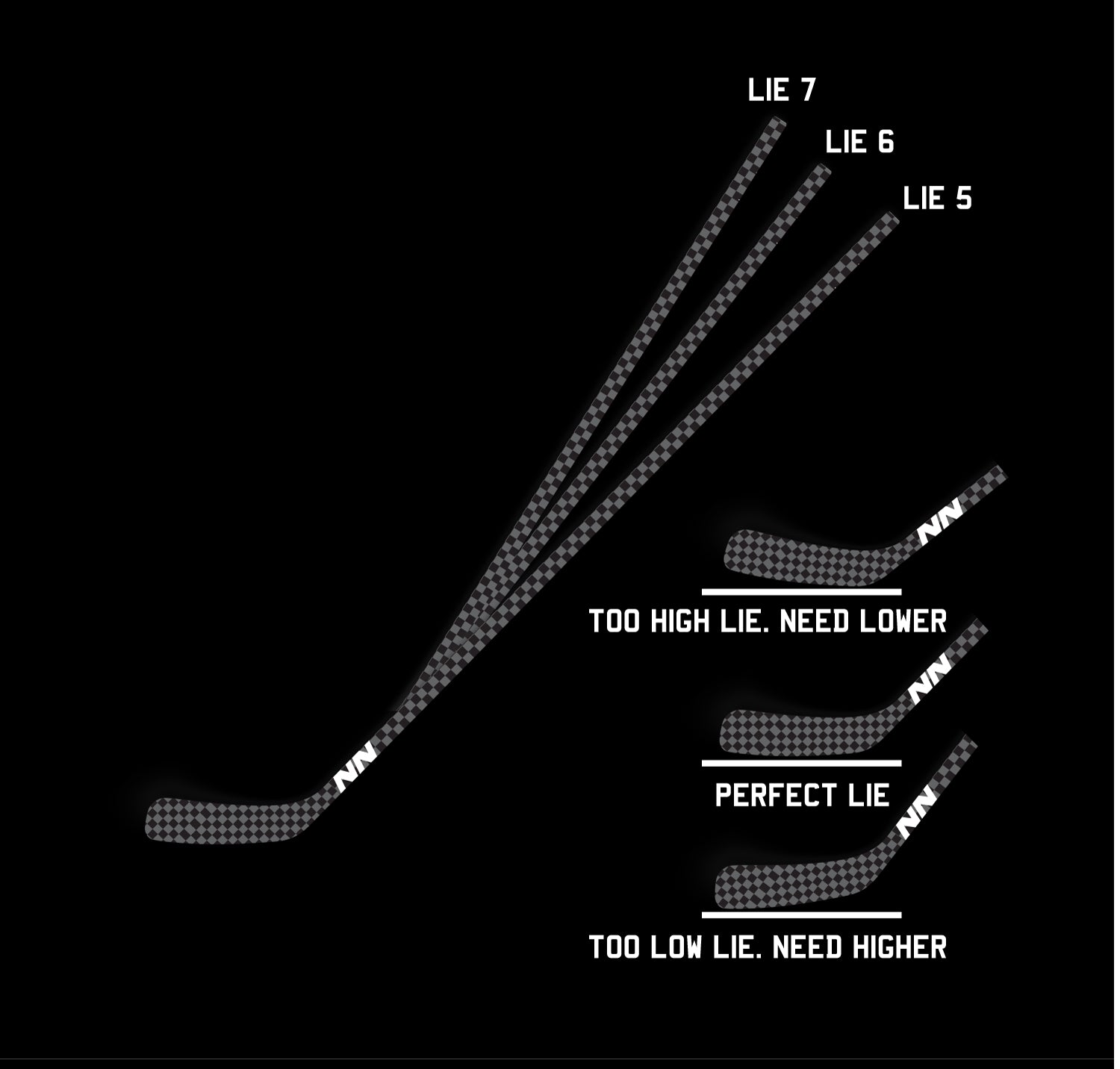
CURVE LIE
It's important to note that individual preference plays a significant role in choosing the right stick lie and lies change between each curve.
While general guidelines can be helpful, ultimately, the ideal lie number is the one that feels most comfortable and effective for the player's unique playing style and physical attributes.
- Lower Lie (5): Players who skate with a deeper knee bend may prefer a lower lie, which aligns the blade with their natural stance. This can aid in shooting accuracy.
- Mid Lie (5.5-6): A mid-range lie is suitable for many players and playing styles. It offers a balanced compromise between blade contact and shooting accuracy.
- Higher Lie (7): Players who skate more upright may benefit from a higher lie, which allows more of the blade to make contact with the ice. This can provide better puck handling and control.

Maximum Power
MID KICK FLEXPOINT
This type of flexpoint is versatile and suitable for a wide range of shots, including slapshots and snap shots. Many forwards / defensemen prefer mid-kick sticks because they offer a good balance of power and accuracy.

Best Of Both Worlds
HYBRID KICKPOINT
Designed to give players the best of both worlds by combining the quick release of a low kickpoint with the power of a mid kickpoint. It flexes lower on quick shots like wristers and snap shots for a fast release, while loading higher on full-motion shots like slap shots to generate more power. This makes it an ideal choice for versatile players who take a variety of shots and want a stick that can keep up with any situation on the ice.

Quickest Release
LOW KICK FLEXPOINT
For players who want to get their shots off rapidly. The rapid flexing of the stick in this area can lead to a faster release of the puck.
Low kick sticks are favored by forwards, especially those who play close to the net and rely on quick, close-range shots to score goals. These sticks are well-suited for situations where a player needs to get a shot off in a hurry, such as when they're in tight spaces or facing tight defensive coverage.
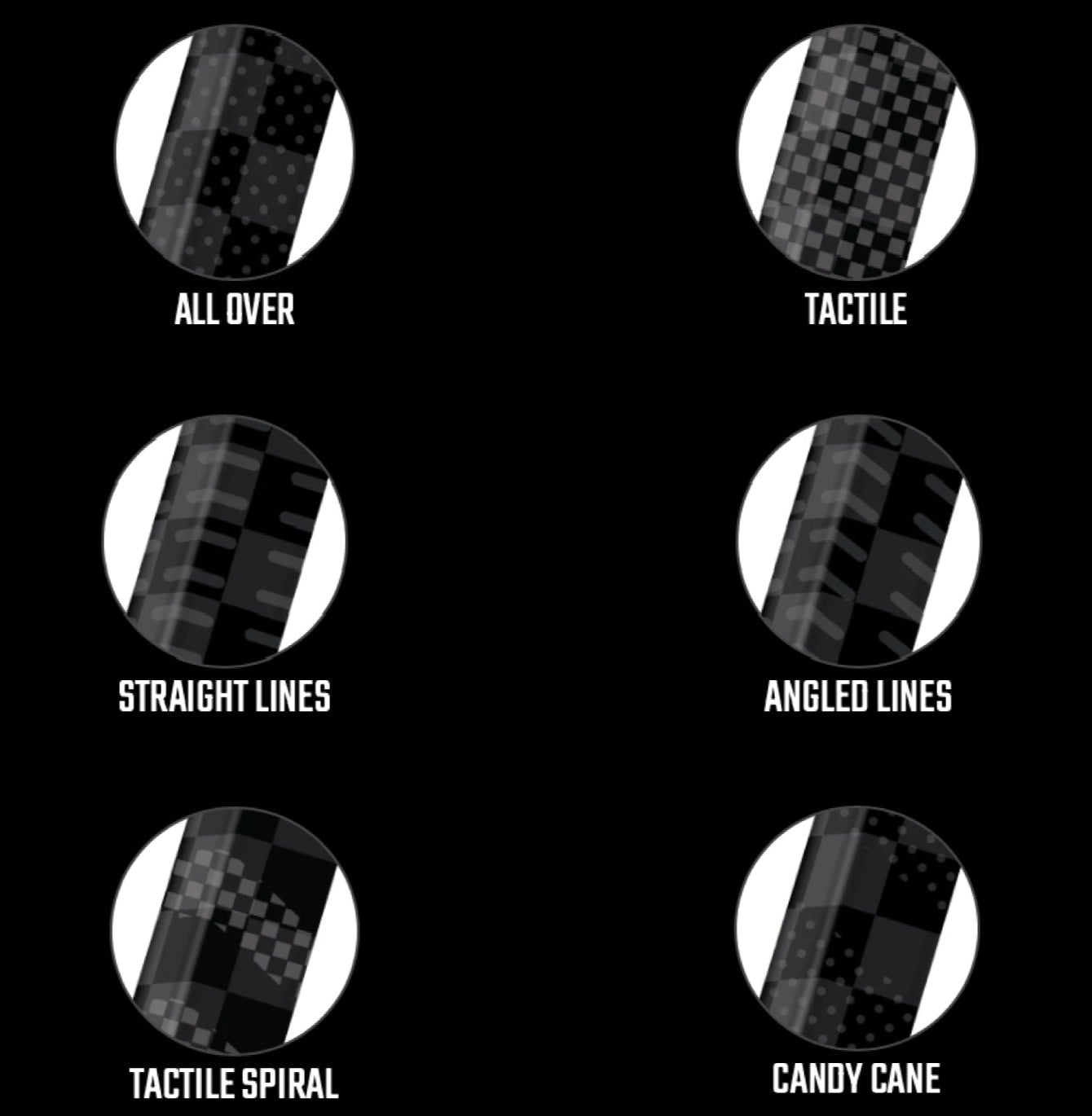
SHAFT TEXTURES
These raised sections create additional friction between the player's hands and the stick, offering improved control and feel.
The choice of shaft texture is a matter of personal preference and can depend on a player's style of play, hand size, and the feel they prefer when handling the stick. Ultimately, the goal of these various textures is to give players better control and confidence in their stickhandling and shooting abilities. Players often experiment with different textures to find the one that suits their needs and preferences best.